 fibr
fibrLinen
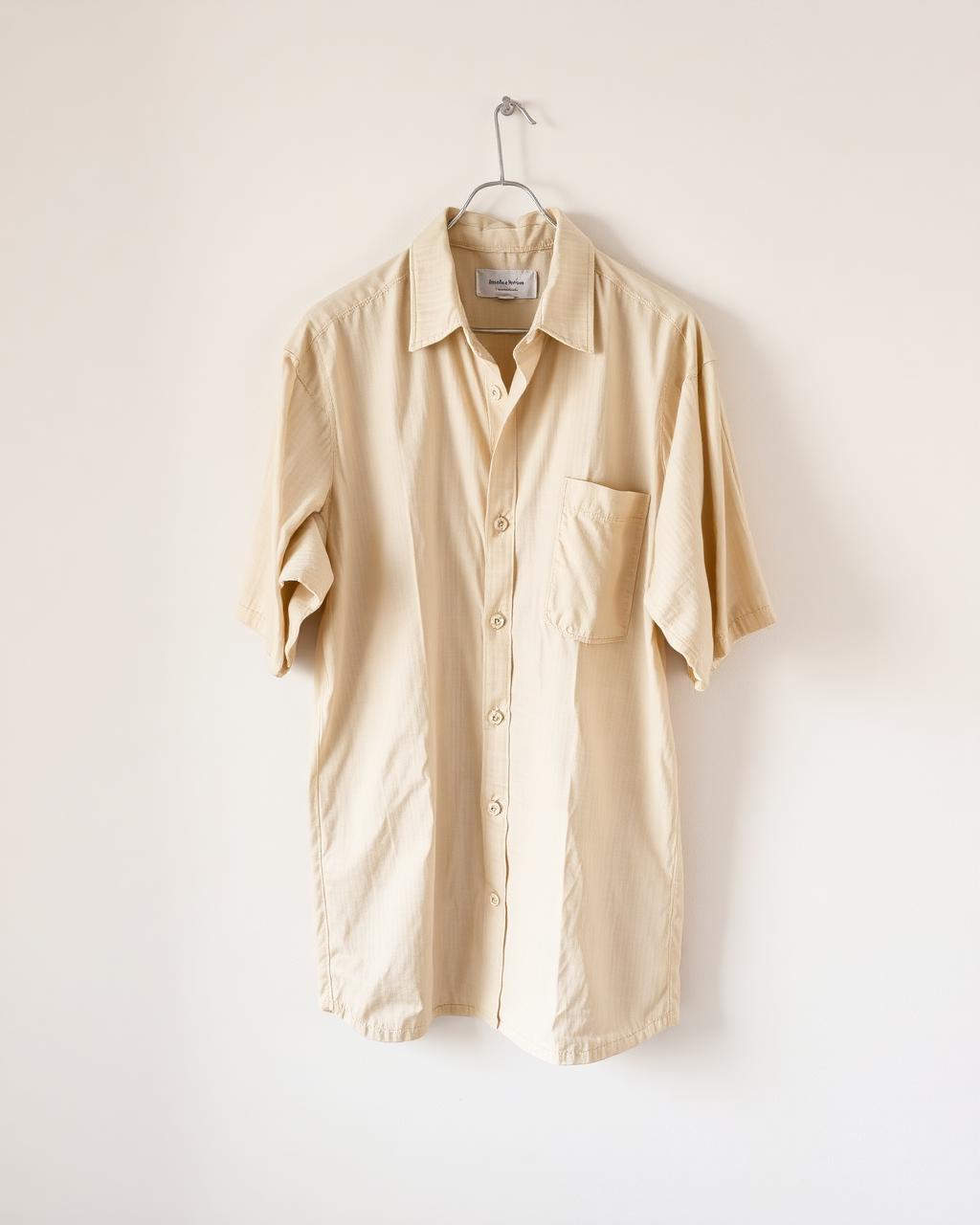
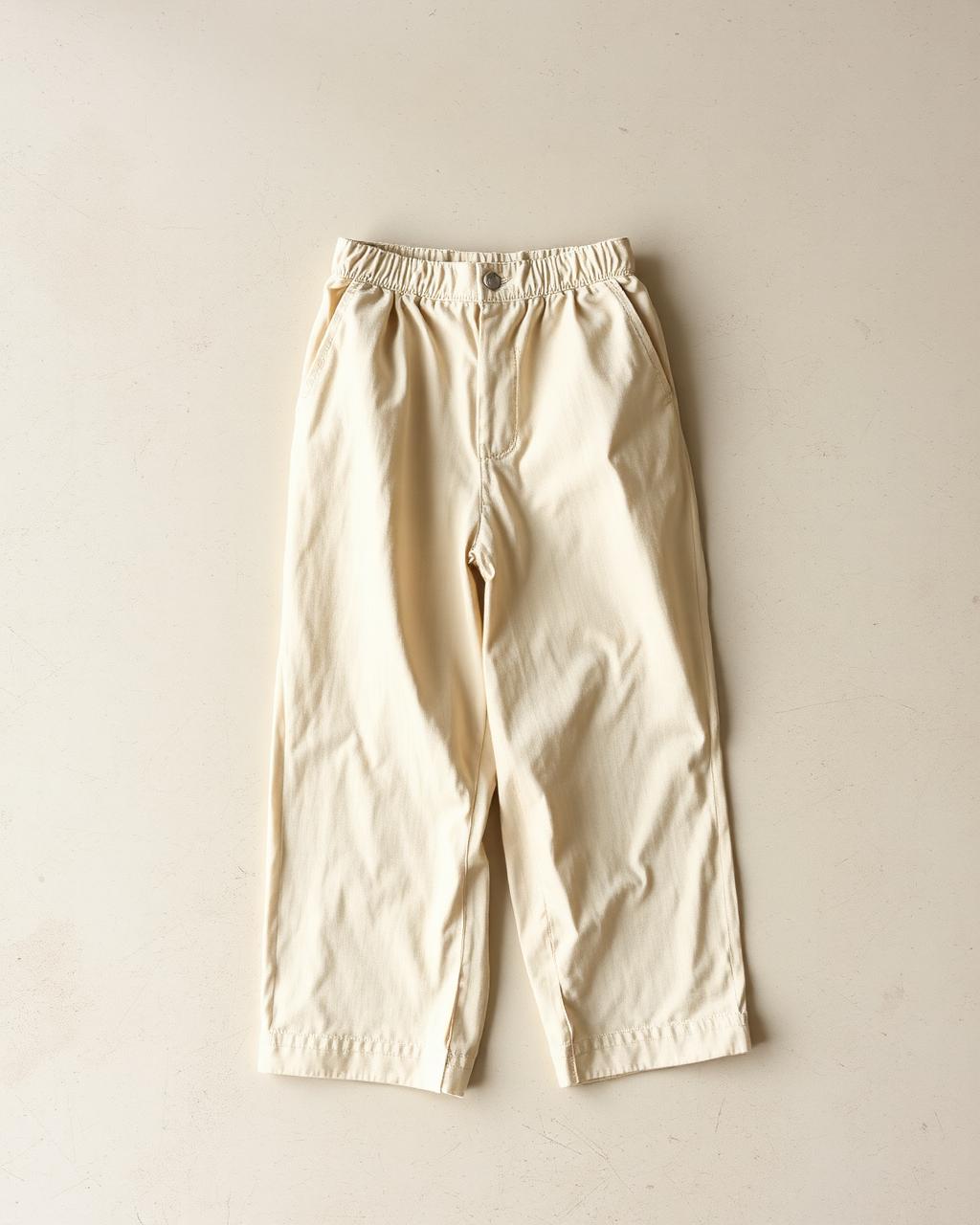
Flax is the fibre that gets better the more you wash it, and the one that will crease no matter what the product photo suggests.
Reviewed: 2026-10-05
Linen creases because the fibre is stiff and hollow. That same structure is why it moves air across your skin and dries fast in humidity. You can't have the cooling without the creasing; treat the wrinkles as the price, not a defect.
Masters of FLAX FIBRE — formerly European Flax — verifies the European origin and traceability of the fibre. It is an origin mark rather than a quality grade, so you still need to judge weight, weave and construction separately.
Stonewashed or softened linen is ready to wear immediately. Raw linen starts crisp and relaxes gradually through wear and washing. Buy raw only if you enjoy that break-in process rather than expecting softness on day one.
Signs of quality
- European Flax or a named Baltic or French mill
- Weight given in gsm so you can compare like with like
- French seams or flat-felled seams inside
- A softness grade you can choose
What to watch for
- Linen–viscose blends sold at pure-linen prices
- Very light cloth with no photograph against daylight
- 'Linen look' or 'linen feel' in the title
Care
Machine wash at 40°C. A short tumble on low is the fastest way to soften linen; pull it out damp and hang it, and most creases drop on their own. Iron only when you want the crisp version.
Sources and further reading
Certifications worth knowing
- Masters of FLAX FIBRE
- The current name for the European Flax traceability and origin certification.
- OEKO-TEX
- Harmful-substance testing on the finished cloth.