 fibr
fibrOrganic cotton
Grown without synthetic pesticides, and — if the certificate is real — processed without the nastier finishing chemicals too.
Reviewed: 2026-10-05
The word organic on a label refers to how the plant was farmed. It says nothing about how the cotton was spun, dyed or finished, which is where most of the chemistry happens. That gap is why the certificate matters more than the word.
Staple length is the number that decides how a cotton garment ages. Long-staple fibres have fewer loose ends per centimetre of yarn, so the surface pills less and the fabric stays smoother. Brands that use it usually say so.
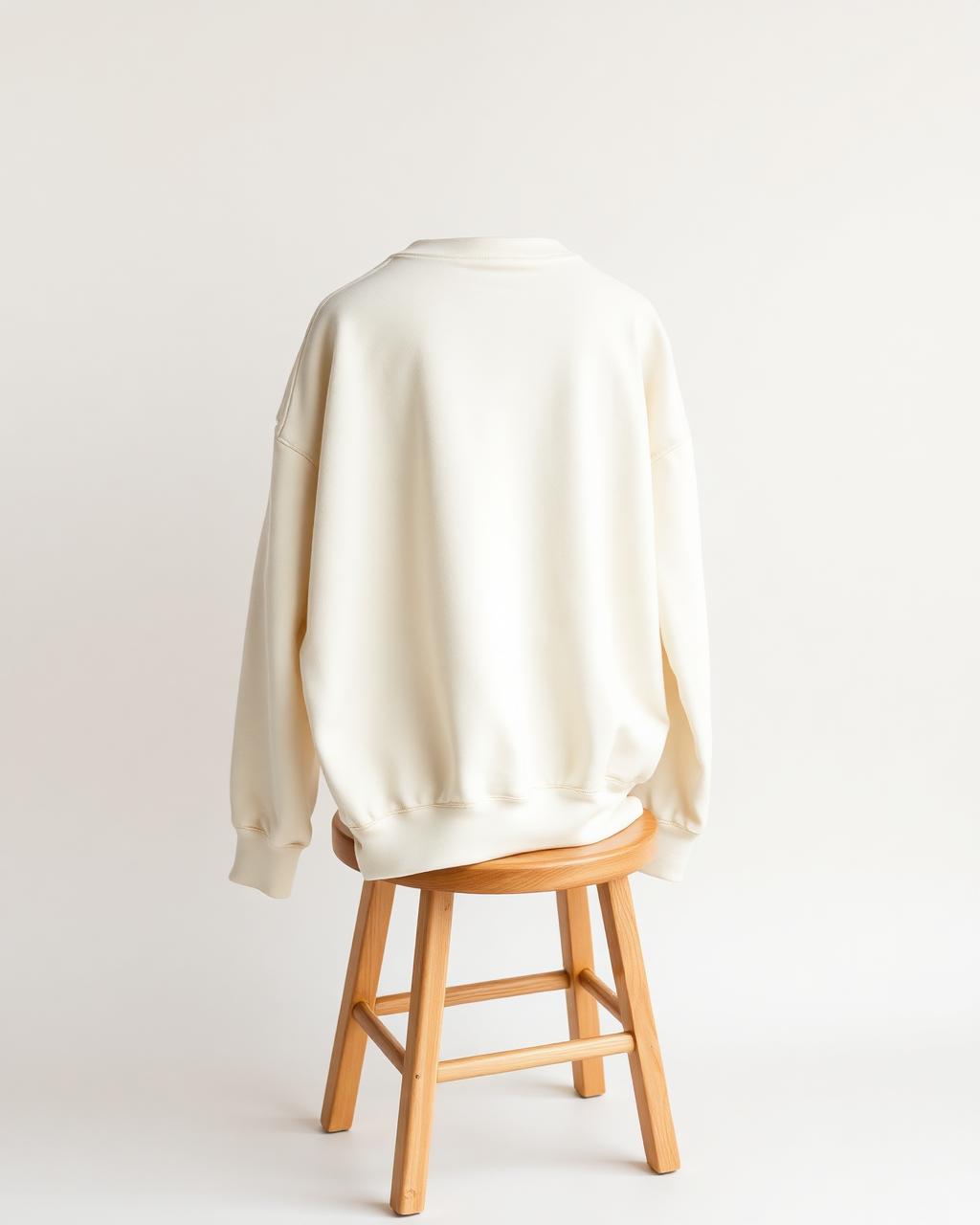
Weight, written in grams per square metre, tells you more than a vague description. Lighter cloth tends to suit warm weather; midweight jersey is more substantial for daily wear; sweatshirt fabric sits heavier again. Treat the numbers as useful comparisons, not universal quality grades.
Signs of quality
- A published GOTS scope certificate, not just the logo
- Fabric weight in gsm on the product page
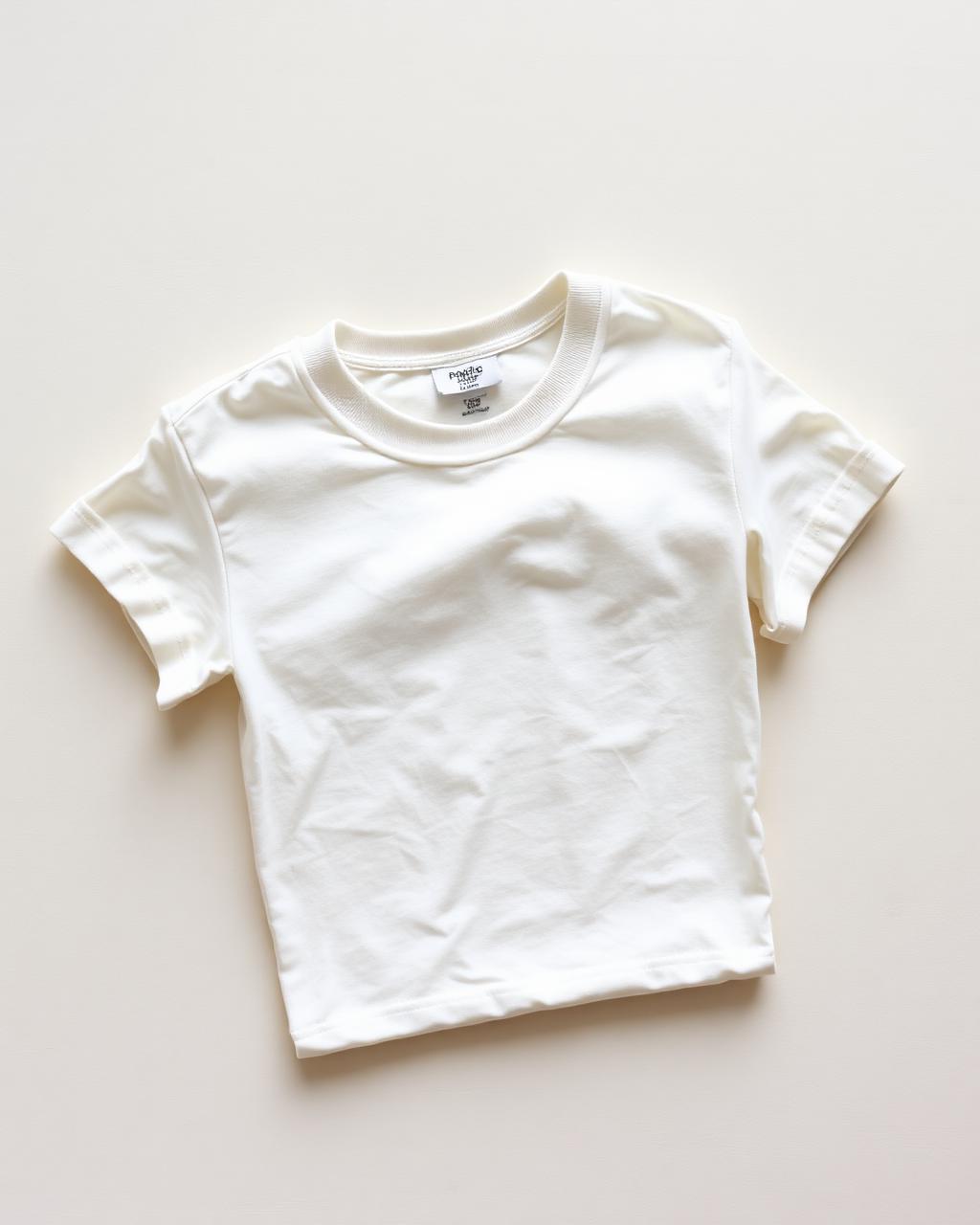
- Taped shoulder seams and a ribbed, taped collar
- Side seams instead of a tubular body
What to watch for
- 'Made with organic cotton' — that can mean five per cent
- No weight, no mill, no country named anywhere
- Heavy softener finish that washes out and leaves a thin, papery hand
Care
Wash at 30°C, skip the fabric softener — it coats the fibre and reduces absorbency — and line dry. Tumble drying is what shrinks cotton, not washing.
Sources and further reading
Certifications worth knowing
- GOTS
- Covers farming and processing. The Organic grade requires at least 95% certified organic fibre; Made with Organic Materials starts at 70%.
- OEKO-TEX
- Tests the finished fabric for harmful substances. Says nothing about farming or labour.
- Fair Wear
- Audits the sewing factories rather than the fibre.